B) False
Correct Answer

verified
Correct Answer
verified
A) $100.
B) $200.
C) $300.
D) $400.
F) C) and D)
Correct Answer
verified
Correct Answer
verified
B) False
Correct Answer
verified
Correct Answer
verified
A) $0
B) $10
C) $40
D) $50
F) All of the above
Correct Answer
verified
Correct Answer
verified
A) BCG
B) ACH
C) DGH
D) ABGD
F) None of the above
Correct Answer
verified
Correct Answer
verified
B) False
Correct Answer
verified
Correct Answer
verified
A) $5,700.
B) $1,500.
C) $1,400.
D) $4,100.
F) All of the above
Correct Answer
verified
Correct Answer
verified
Correct Answer
verified
Start with the equation: Total Surplus =...View Answer
Correct Answer
verified
View Answer
A) $256.
B) $768.
C) $1,024.
D) $1,280.
F) B) and D)
Correct Answer
verified
Correct Answer
verified
A) 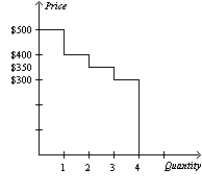
B) 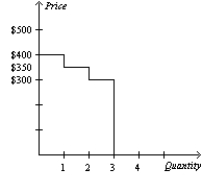
C) 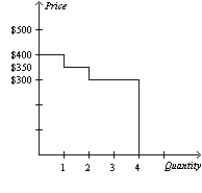
D) 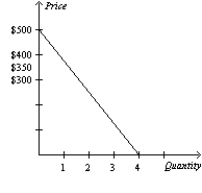
F) A) and C)
Correct Answer
verified
Correct Answer
verified
A) laissez-faire..
B) unequal.
C) inefficient.
D) rational.
F) A) and D)
Correct Answer
verified
Correct Answer
verified
A) do nothing to improve the situation.
B) potentially remedy the problem and increase economic efficiency.
C) always remedy the problem and increase economic efficiency.
D) in theory, remedy the problem, but in practice, public policy has proven to be ineffective.
F) A) and D)
Correct Answer
verified
Correct Answer
verified
A) Chad's willingness to pay for his second cup of latté was smaller than his willingness to pay for his first cup of latté.
B) Chad's consumer surplus on his second cup of latté was larger than his consumer surplus on his first cup of latté.
C) Chad is irrational in that he is willing to pay a different price for his second cup of latté than what he is willing to pay for his first cup of latté.
D) Chad places a higher value on his second cup of latté than on his first cup of latté.
F) A) and D)
Correct Answer
verified
Correct Answer
verified
A) will accept the lowest price of any seller in the market.
B) requires the highest price of any potential seller in the market.
C) would leave the market first if the price were any lower.
D) would leave the market last if the price falls.
F) All of the above
Correct Answer
verified
Correct Answer
verified
A) $600
B) $1,200
C) $2,400
D) $4,800
F) C) and D)
Correct Answer
verified
Correct Answer
verified
B) False
Correct Answer
verified
Correct Answer
verified
Correct Answer
verified
Total producer surplus with the price fl...View Answer
Correct Answer
verified
View Answer
A) represented on a graph by the area below the demand curve and above the supply curve.
B) the amount a seller is paid minus the cost of production.
C) also referred to as excess supply.
D) All of the above are correct.
F) A) and B)
Correct Answer
verified
Correct Answer
verified
A) factor markets.
B) energy markets.
C) welfare economics.
D) labor economics.
F) All of the above
Correct Answer
verified
Correct Answer
verified
Correct Answer
verified
Total producer surpl...View Answer
Correct Answer
verified
View Answer
Showing 521 - 540 of 547
Related Exams